

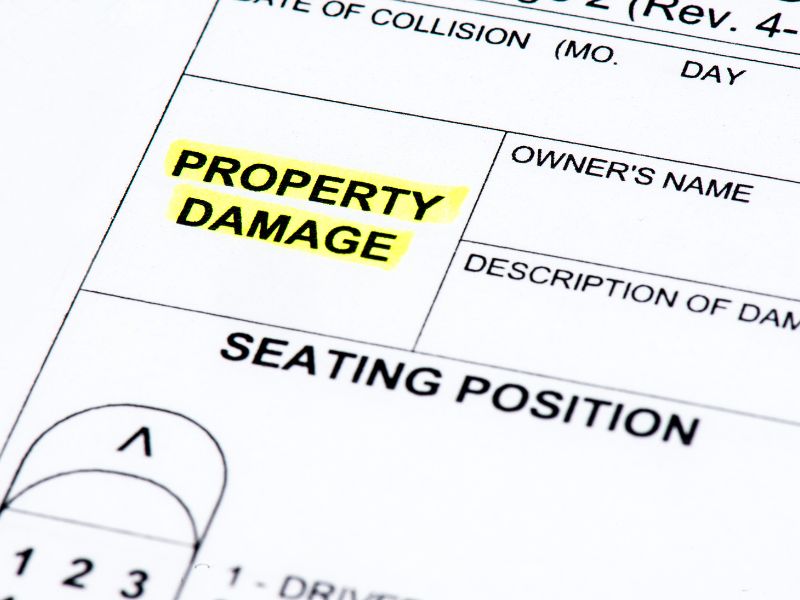
police report of car accident

Key Takeaways Mandatory Reporting: North Carolina law requires you to call the police for any accident causing injury, death, or $1,000+ in property damage. Crucial for Claims: Insurance adjusters rely heavily on the official police crash report (Form DMV-349) to evaluate fault and process your claim. Check for Errors: Always review your copy of the…


workers' compensation and lost wages

Injured employees who qualify for workers’ compensation benefits in North Carolina are entitled to reimbursement of a portion of their lost wages while they are unable to work. North Carolina Workers’ Compensation Law allows injured employees whose injuries prevent them from working to collect lost wages through a workers’ compensation claim. Qualifying workers may receive…

workers' comp doctor

If the employer accepts a workers’ compensation claim in North Carolina, the law requires the employer to provide “medical, surgical, hospital, nursing, and rehabilitative services, including, but not limited to, attendant care services prescribed by a health care provider authorized by the employer or subsequently by the Commission, vocational rehabilitation, and medicines, sick travel, and…

statute of limitations

If you were hurt in a car accident in North Carolina, you may have a right to pursue compensation from the at-fault driver’s insurance company for your medical expenses, lost income, and pain and suffering. North Carolina law imposes a deadline, known as a statute of limitations, for filing a personal injury lawsuit after a…

suing workplace for negligence

An employee who sustains a work-related injury in North Carolina generally cannot sue his or her employer for causing a workplace accident. This is based on a statute, N.C.G.S. § 97-10.1. Typically, workers’ compensation benefits are the sole remedy to address workplace injuries. Nearly all businesses with three or more employees in North Carolina are…

injury by coworker

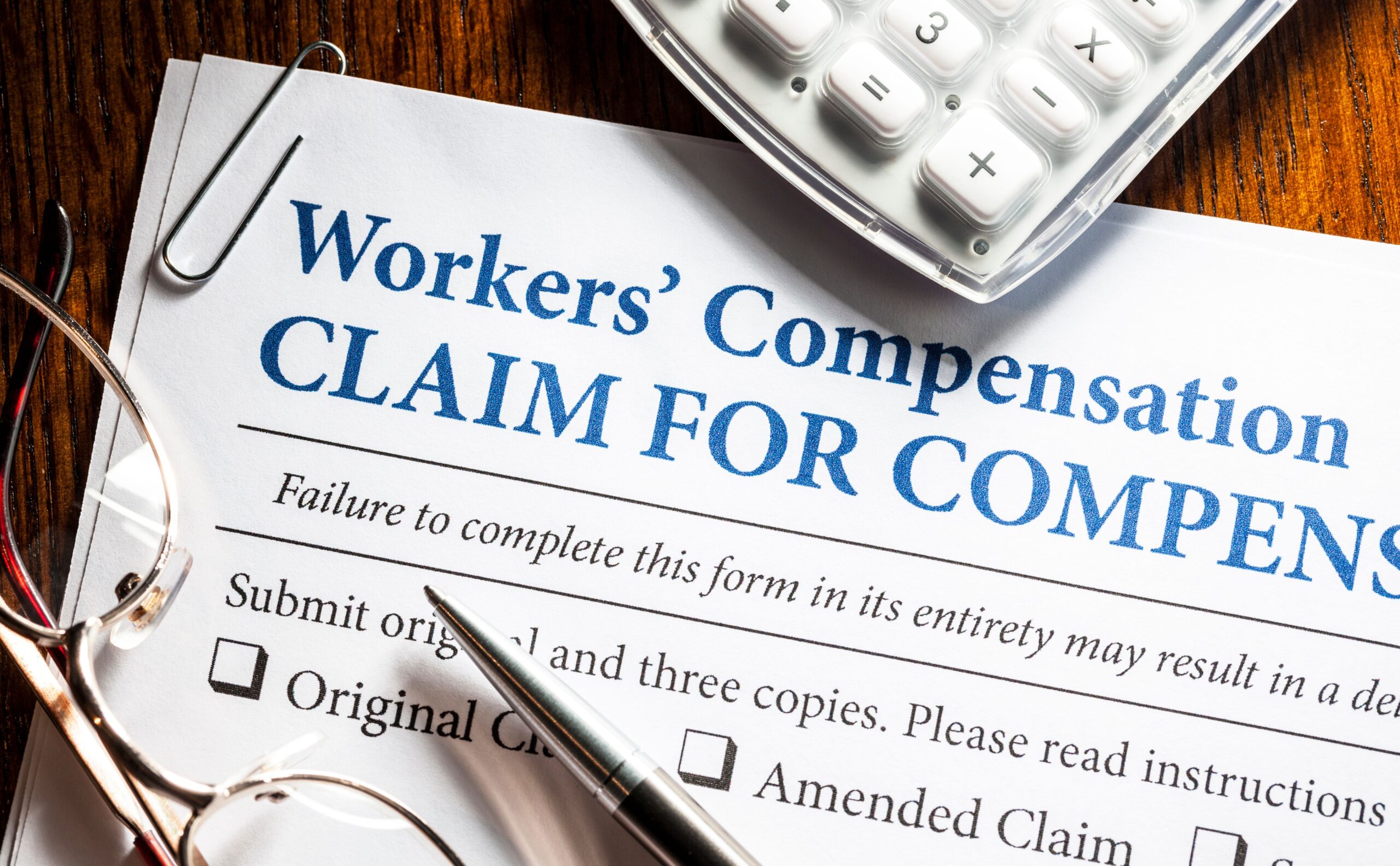
Most employees who are injured on the job are eligible for workers’ compensation. Workers’ comp is like no-fault accident insurance that most businesses in North Carolina must provide their full and part-time employees. Benefits are available for injuries and illnesses that arise in the course of performing job duties. The North Carolina Workers’ Compensation Act…

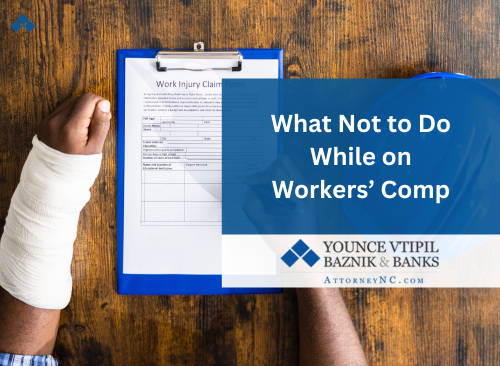
what not to do while on workers' comp

If you’ve been injured on the job, you may be entitled to benefits through your employer’s workers’ compensation insurance. Workers’ compensation covers your medical expenses for workplace injuries and reimburses you for a portion of your average weekly wages while you are unable to work. North Carolina’s workers’ compensation program offers valuable benefits to employees…

medical bills

Workers’ compensation insurance is a benefit provided to nearly all North Carolina employees under the North Carolina Workers’ Compensation Act. Most employers are required to carry insurance to cover medical expenses and replace a portion of lost wages for work-related injuries and illnesses. The law is intended to ensure that any worker injured on the…

how long does workers compensation last

Key Takeaways 500-Week Cap: North Carolina wage replacement benefits generally last up to 500 weeks for temporary total or partial disability. Extended Benefits Exception: If you suffer a total loss of wage-earning capacity, an attorney can petition the Industrial Commission for lifetime benefits starting after your 425th week of disability. Early Termination at MMI: Benefits…

is workers compensation taxable

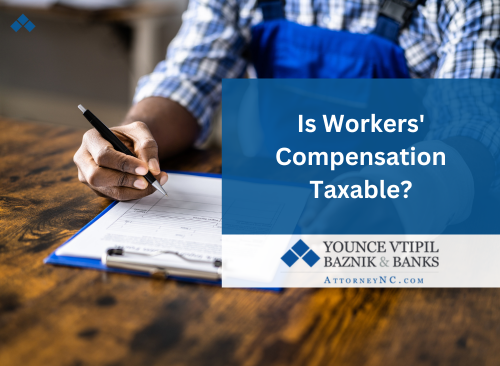
Key Takeaways Benefits are Tax-Free: In most cases, the government does not tax workers’ compensation benefits. Both your weekly wage replacement checks and medical benefits are exempt from federal and North Carolina state income taxes. Settlements are Not Taxed: A lump-sum workers’ comp settlement is also tax-free. However, if you invest that settlement money, any…

  • 1
  • 2